(As previously posted from my substack)
This weekend I did a double feature at the AMC River East, catching a late matinee of Hard Truths followed by an evening screening of The Room Next Door. Both had such odd similarities: both were directed by world renown filmmakers, both involved a complex relationship between two women, and both were about death.
But their philosophies about death were very different. In Hard Truths, Mike Leigh profiles a woman (Marianne Jean-Baptiste) soured with unspoken pain, so infused with anger she casually lashes out at anyone, from furniture salespersons to dental hygienists. Her tirades are amusing, but her antics are exasperating, and just when I couldn’t take it anymore, neither could her sister (played by Michele Austin). “Why can’t you enjoy life?!” her sister asks. We don’t really get much of an answer, but it’s clear this woman has spent an entire lifetime feeling unloved. The pain is not only emotional, but mental and physical as well. It hurts to live, so the only relief is the end. She is done with life.
In Pedro Almodovar’s The Room Next Door, Tilda Swinton and Julianne Moore play two women reunited under the worst of circumstances: Swinton’s character has stage 3 cervical cancer. She wants Moore’s character to help assist in her suicide, for when she’s ready to go out on her own terms and end the pain. The decision though, isn’t so black and white, as just when she’s at her most hopeless, she’s reminded of the beauty and mystery that still exists in the world. She may well be finished with living, but she’s not exactly done with life. The brain may have made up its mind, but the heart keeps fighting to live another day.
Pain and Death are as interconnected as the women in these films. Jean-Baptiste’s character is tired of the pain, and waits anxiously for death to come. Swinton’s character wants to end her pain by choice of death, but Moore’s character is afraid of the pain awaiting her after Swinton’s death. I can certainly empathize.
I keep a list in my iPhone’s Notes of celebrity deaths I think will take place throughout any given year. It’s kind of—if not completely—a morbid thing to do, but I do so mostly out of my need for control—if one of my predictions comes true, it makes it easier for me to get over their death. If I can prepare myself for the loss, then there isn’t any pain for me to endure.
Jimmy Carter’s was pretty easy to predict. Also: he’s been on the list since ‘22. Someone who should’ve been on the list but somehow I’d overlooked: Joan Plowright. Even though she didn’t make the cut, her passing doesn’t sting too harshly, for the ole Dame died at a very respectable 95-years-old. Sometimes though, the death of a celebrity comes as a shock AND a surprise, partly because their age wasn’t too concerning, but mostly because the thought of them dying never occurred to me. I simply thought they’d never die.
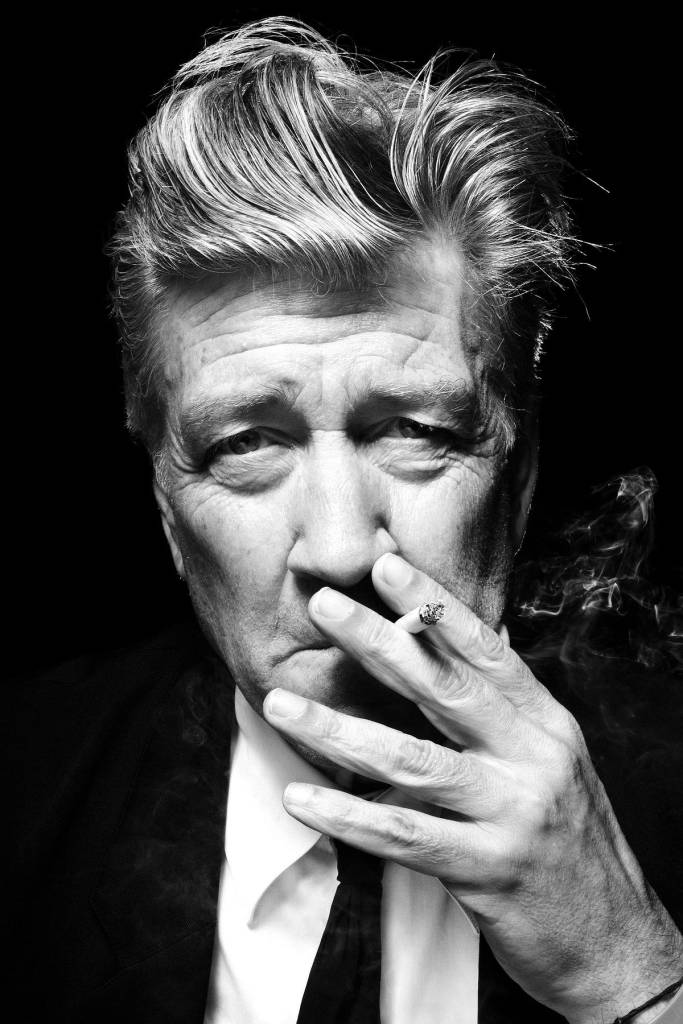
That happened to me last week when I learned that David Lynch had passed away. I’d recently read he was homebound due to emphysema, but I had no clue the end was so near. True, he was just a few days shy of his seventy-ninth birthday—no spring chicken by any means!—but I believed he would be with us for at least another decade, perhaps gifting us with one more film. Unfortunately that will never come to pass.
Lynch is by no means my all-time favorite filmmaker, but he’s one of the few directors whose filmographies I’ve viewed entirely, and also one who deservedly earns the title of “auteur” (if your last name inspires a verb—“Lynchian”—you know you’ve done something right!). His films are by no means easy viewing, but I do appreciate an occasional re-watch, if only to appreciate the mise en scene of a shot or the avant garde atmosphere that takes place in a world much like our own, but with something sinister lurking underneath it all. His films used to leave me confused, but watching them today, they feel all too familiar. These days, a world that’s “wild at heart and weird on top” seems ever more accurate. “Most films reflect the world, and the world is violent and in a lot of trouble. It’s not the other way around,” Lynch once said. “The films don’t make a peaceful world violent—the violent world made the films.”
Sure, there’s plenty of evil found in Lynch’s films, but you can’t have evil without the power of good. He understood that good and evil were two sides of the same coin, through binary imagery that’s at once beautiful and ugly, innocent and corrupt, light and dark. Hell, the doppleganger is often a common motif in the Lynchian universe, suggesting human beings are capable of goodness as much as they are of violence. His vision of the world isn’t so different from how we view it now, but his films have often noted that it’s important to never let go of the light. “Don’t turn away from love, Sailor,” Glinda the Good Witch says to Sailor Ripley at the end of Wild at Heart. It’s good advice for times like these.
I watched Hard Truths and The Room Next Door just days after Lynch’s death, and couldn’t help but think of him as I watched them. Not that those films are anything similar to his works, but they certainly dealt with lightness and darkness. Life can be harsh and cruel, but succumbing to darkness is never the right choice. Turning away from love only alienates and further destroys us. Only in choosing the light do we feel love and goodness, which makes life worth living. Even if the mind has given up, the heart keeps beating, fighting to live another day…
 FLICKBOYS
Leave a comment